
After years of development shifts and an eventual rebirth as an independent studio, Hytale has finally landed in our hands. Stepping into Orbis for the first time feels surreal for anyone who has followed this project since 2018. It does not try to reinvent the genre. Instead, it feels like a high-performance, Diablo-style dungeon looter wrapped in a familiar blocky aesthetic. It is raw and unmistakably Early Access, with visible signs of construction, but the soul of the game is immediately apparent.
The core gameplay loop is punchy and intentional. Unlike the blank-canvas survival games that inspired it, Hytale gives you clear reasons to move forward. You are clearing Trork camps, diving into subterranean hives, and hunting specific materials to push your gear to the next tier. Combat is a massive step up from the old click-spam meta, featuring weighty animations, active blocking, and weapon-specific charge attacks that make each encounter feel like a contained skirmish rather than a chore.
World-building is where Hytale quietly flexes its ambition. Even in its early state, zones feel handcrafted despite being procedural. Lush meadows transition naturally into deep, vertical cave systems that genuinely feel dangerous. While content volume is still limited, the quality on display suggests the developers are prioritizing a tight RPG loop over a vast but empty world. Playing Hytale right now feels like the first day of a carefully curated modpack, with a constant pull to do one more run as you chase the next armor tier or workstation upgrade.
What truly sets Hytale apart, though, is its technical foundation. We may finally be seeing the end of the API war. Veteran modders know the frustration of choosing between performance and content, juggling multiple loaders and dependency chains just to get basic features working. Hytale’s unified, server-first API sidesteps all of that. Mods simply work. When I added UltraStacked and WaybackCharm to our server, my friends did not need to install anything. They clicked Join, and the server synced everything automatically. For community play, this is a massive leap forward.
One thing that is worth clearing up is the idea that Hytale is just an “amped-up Minecraft modpack.” It really is not. Even with multiple mods installed, the footprint is dramatically smaller than a typical Forge-based Minecraft setup stacked with loaders, performance patches, and dependency libraries. Everything here feels purpose-built rather than bolted on. The engine, API, and tooling were designed together, and it shows. Mods integrate cleanly without the usual friction, version mismatches, or launch-time roulette. Instead of feeling like a fragile tower of addons, Hytale feels cohesive, focused, lightweight, and remarkably stable for an Early Access build. That intentional design makes the whole experience feel effortless, and honestly, it is one of the most impressive parts of the game.
Even better, the API is not a closed box. Mods like Spellbook and MultipleHUD act as secondary frameworks that other creators can build on, proving the engine is meant to be extended. It feels like a foundation designed for growth rather than a fixed set of rails.
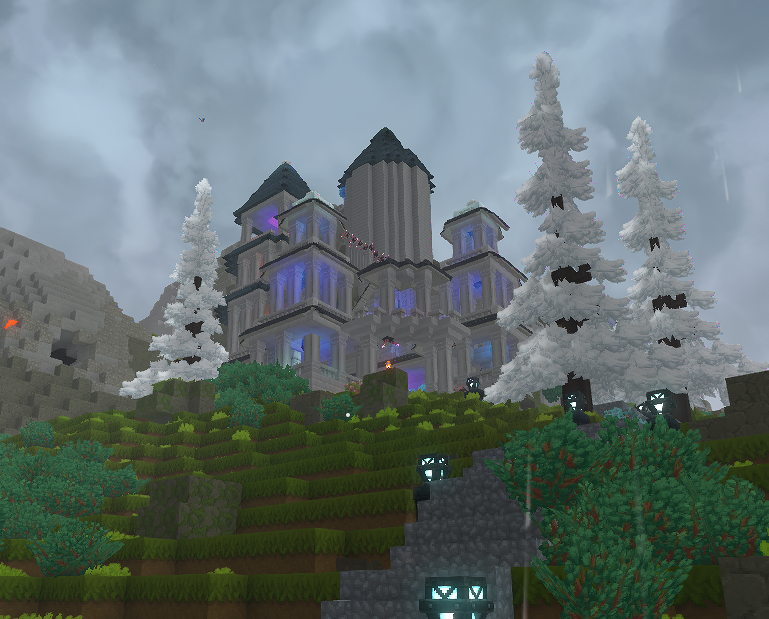
I have been customizing my experience with a focused set of mods that smooth early-game friction without undermining the survival loop. Spellbook powers WaybackCharm, letting me teleport back to my nearest bed with a single keybind. Deep cave dives remain tense, but no longer feel unfair. MultipleHUD quietly manages additional UI elements while preserving the game’s visual clarity, serving as a clean base for mods like NameTag and future RPG systems.
Loot flow improves dramatically with UltraStacked and ItemMagnet. Together, they remove inventory friction and tedious backtracking, keeping exploration focused on discovery rather than micromanagement. Base progression also feels more respectful of the player’s time. WorkbenchTierKeeper allows me to relocate camp without losing expensive upgrades, encouraging experimentation instead of locking me into a single location. Optimizer keeps server TPS stable during longer sessions, VoiceChat adds immersive proximity-based communication, and quality-of-life mods like SleepRegeneration and RecoverArrows meaningfully reshape moment-to-moment play, especially for a ranger build.
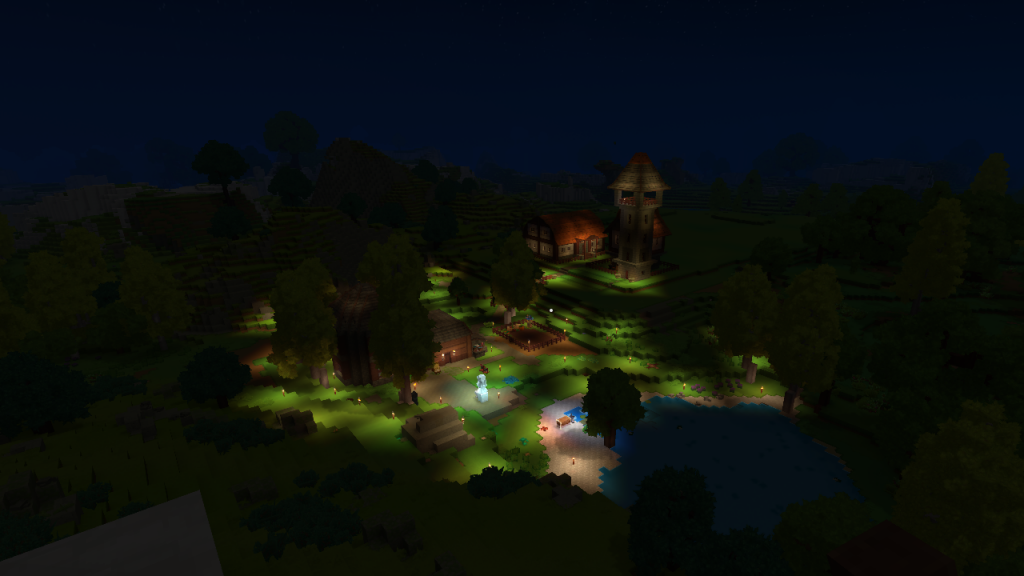
The mid-game is where the looter elements really shine. My friend Braxy and I committed early to a permanent base, and the sense of shared progression is genuinely satisfying. We have started establishing outposts at teleporter locations to expand our reach, while still carrying an upgraded workbench for field repairs. Progression has real weight. Hunting Praetorian Skeletons for rare drops, tracking down Void Hearts, and finally crafting a Cobalt pickaxe after spotting unreachable Adamantite biomes hours earlier all feel earned. I am currently pushing my green-tier Thorium gear to its limits in preparation for the jump into Cobalt and Adamantite, tiers that are required to survive the high-end zones.
The most exciting system in the current build is the Ancient Gateway. Collecting Memories by discovering new creatures gives exploration tangible purpose, and unlocking the Arcanist’s Workbench at 100 Memories fundamentally changes the game. These gateways play like procedurally generated extraction dungeons, with strict time limits, high-value loot, and real consequences if you fail. It is a high-stakes loop that feels refreshingly new for a voxel game.
Looking ahead, the potential here is enormous. I would love to see progression paths that extend gateway timers or allow players to stabilize fragments, turning extraction runs into long-term conquests. I am also hoping for deeper itemization. Gear with unique traits, enchantments, or histories would make you hesitate before replacing a weapon just because the numbers are higher.
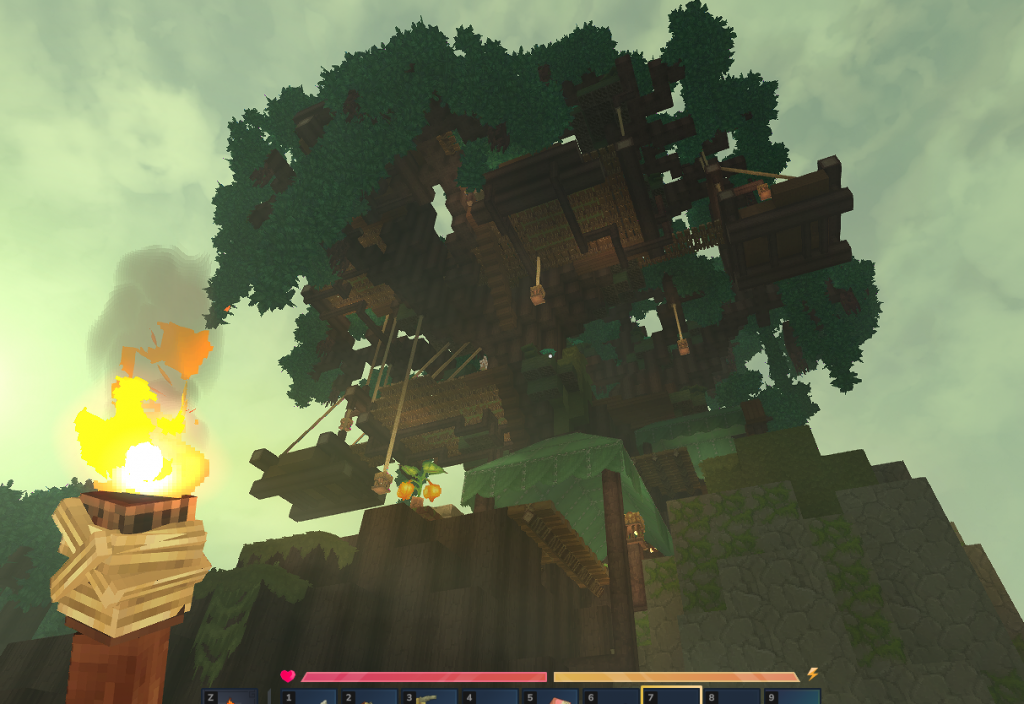
Orbis’ story is another major hook waiting to be expanded. The world is filled with monumental ruins, yet its inhabitants live in primitive camps and tree villages. There is a haunting sense of a fallen civilization, and the nature of the corruption feels more deliberate than accidental. I want lore-heavy questing and greater dungeon variety that turns Orbis into a living history book rather than just a sandbox.
I am clearly only scratching the surface of what Hytale is offering right now. The hidden history of Orbis is deeply compelling, and exploring the remnants of an advanced civilization while the present world lives among the ruins makes it feel like a reset button was pressed long ago. There is a sense that the world is quietly holding back answers, and every ruin or broken monument feels like it is hinting at something larger that has not fully revealed itself yet.
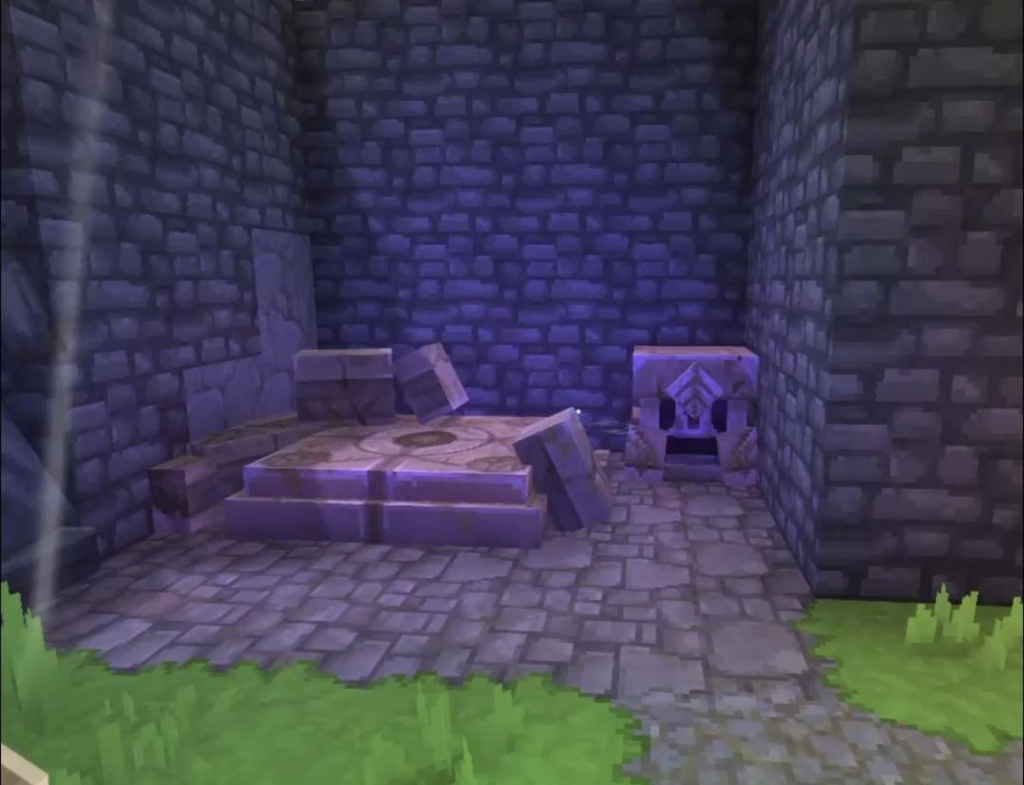
I have not stepped through my first Ancient Gateway yet. I am still one tier and a few materials short, and I will admit I am more wary than excited. An extraction-looter loop carries real risk when resources like Void Hearts are this expensive, which raises an interesting question as the game grows. Should these Alterverses remain high-stakes, time-limited raids, or should Hytale eventually let players push past the timer and truly conquer and shape these parallel realms? What kind of endgame would you want to see Hytale grow into?